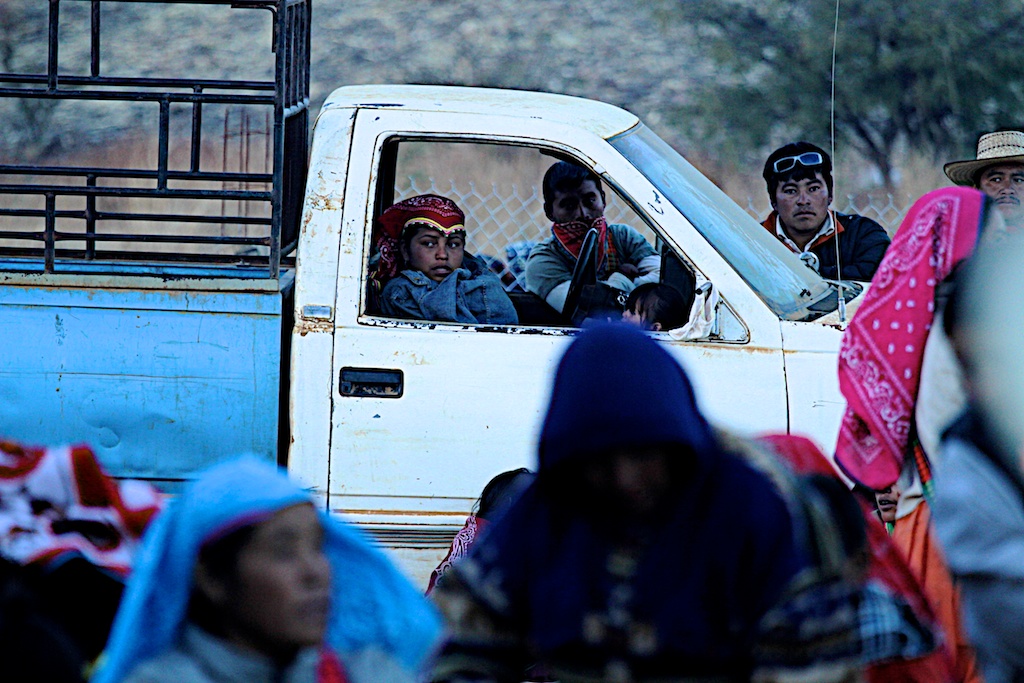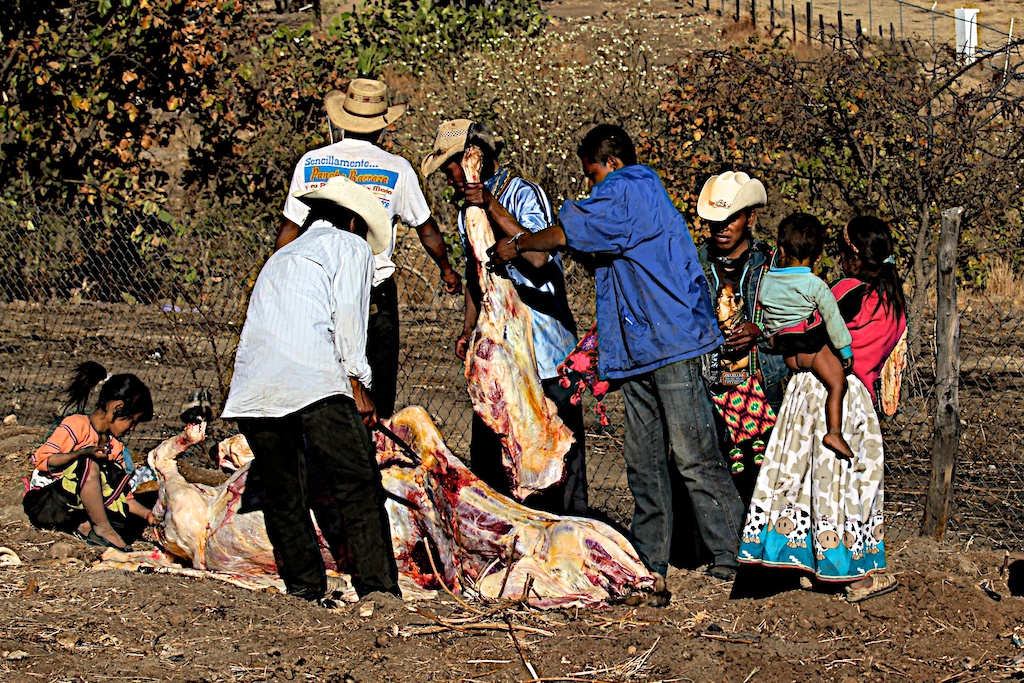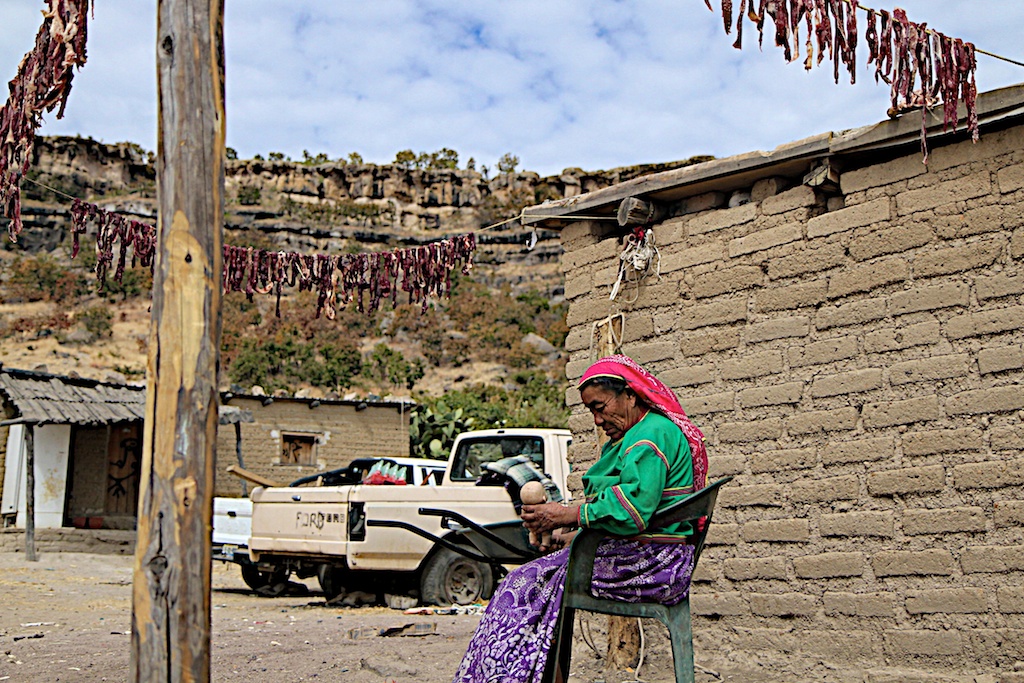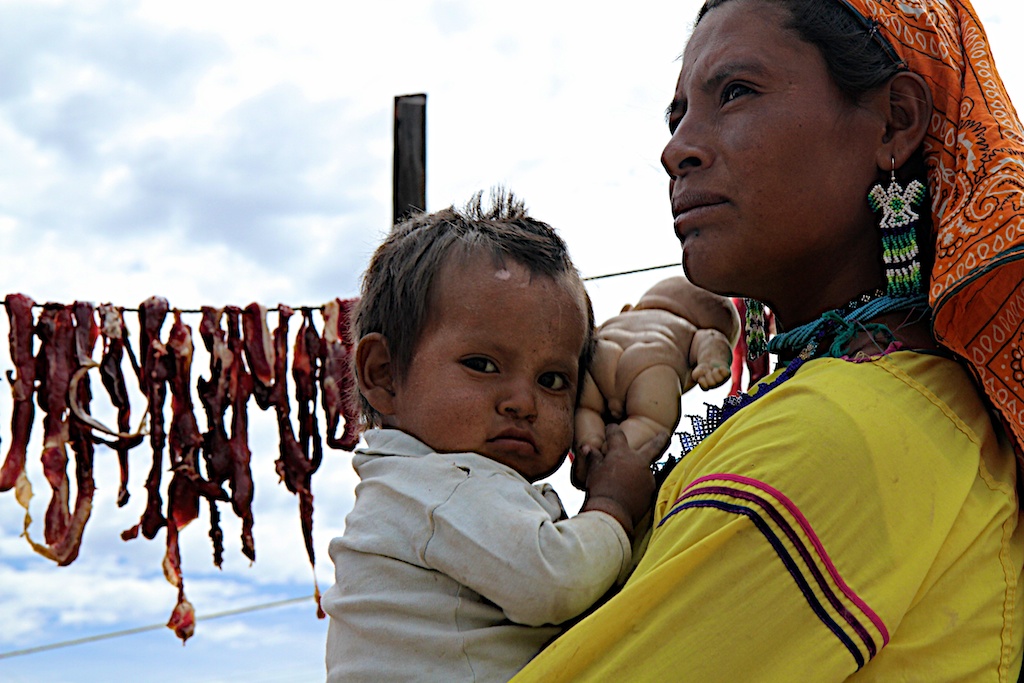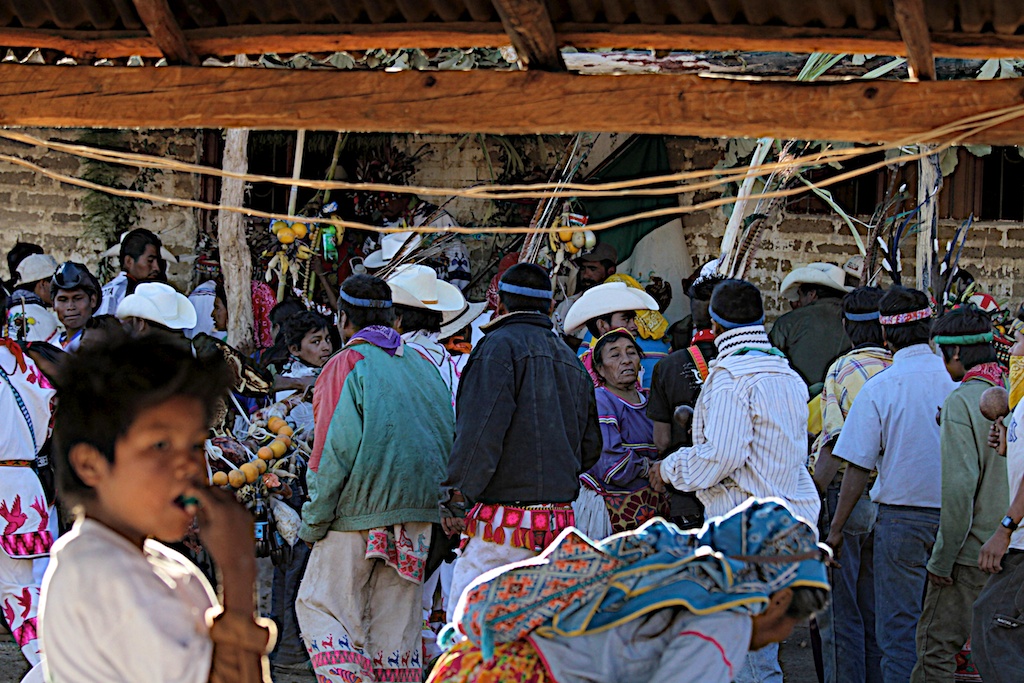
The Wixárika (Huichol) are an Indigenous people living in the remote mountain regions of western Mexico.
Their culture is deeply rooted in shamanic practice, with peyote playing a central role in rituals and annual pilgrimages to sacred sites such as Wirikuta. Through these ceremonies, spiritual knowledge is maintained and passed on across generations.
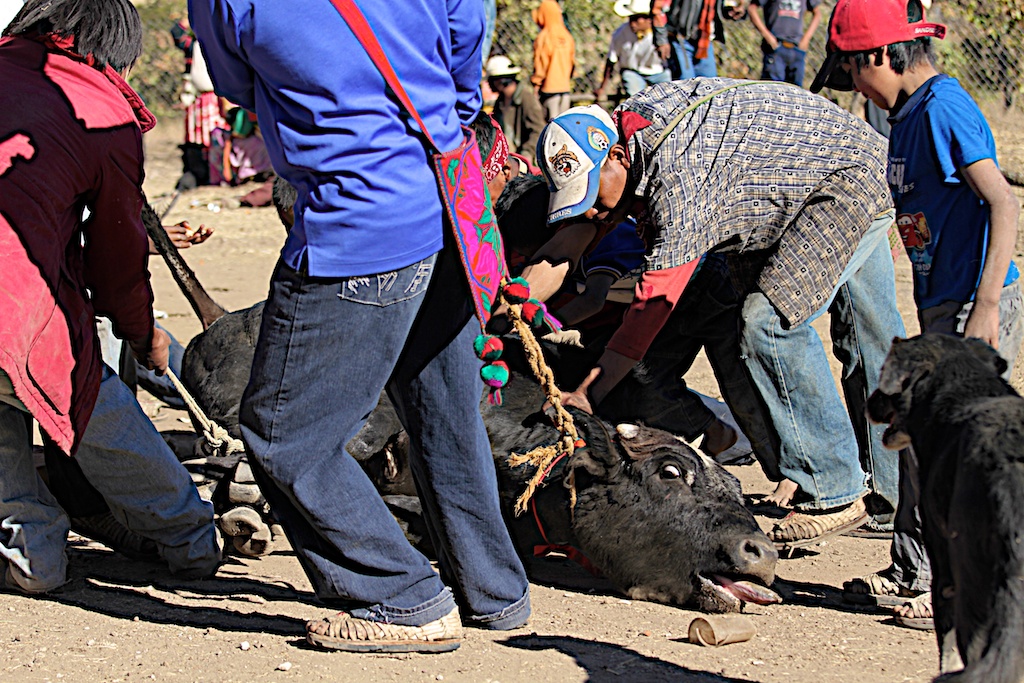
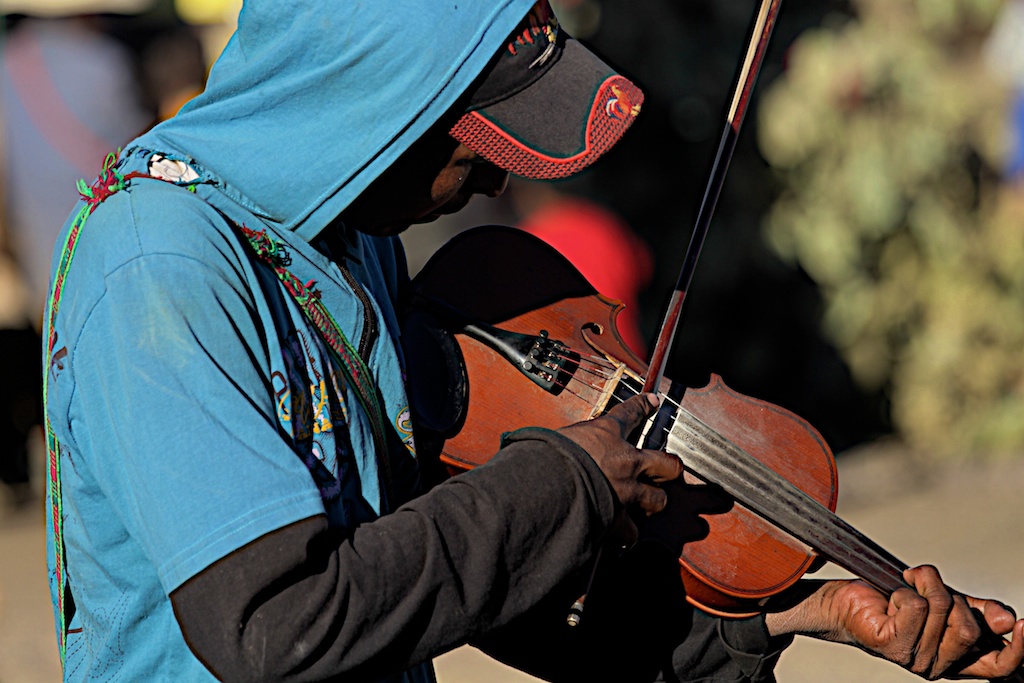
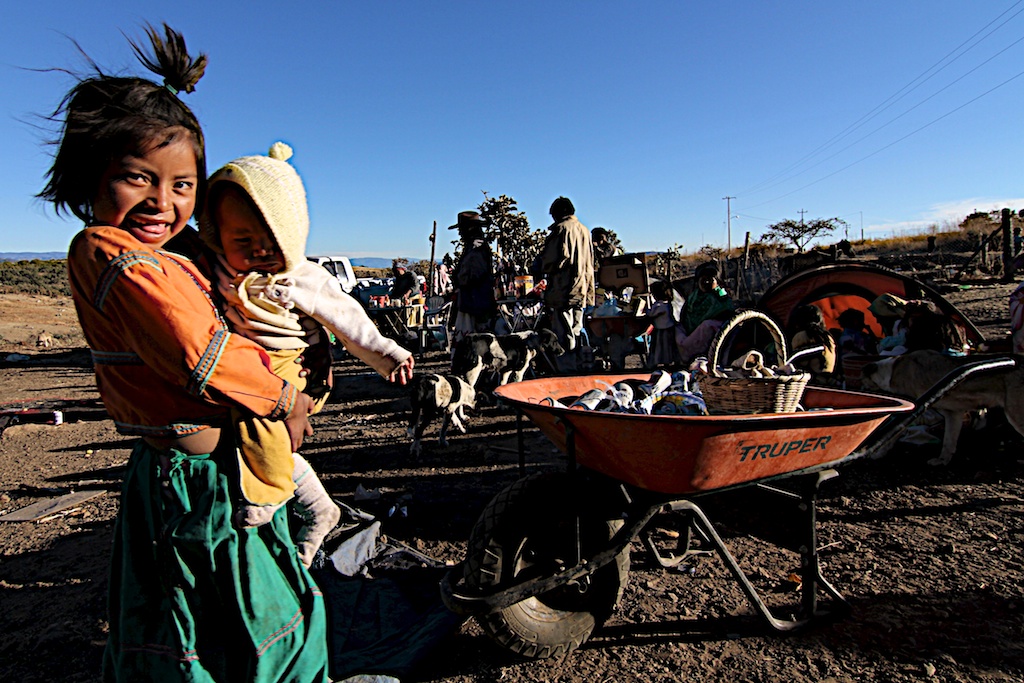
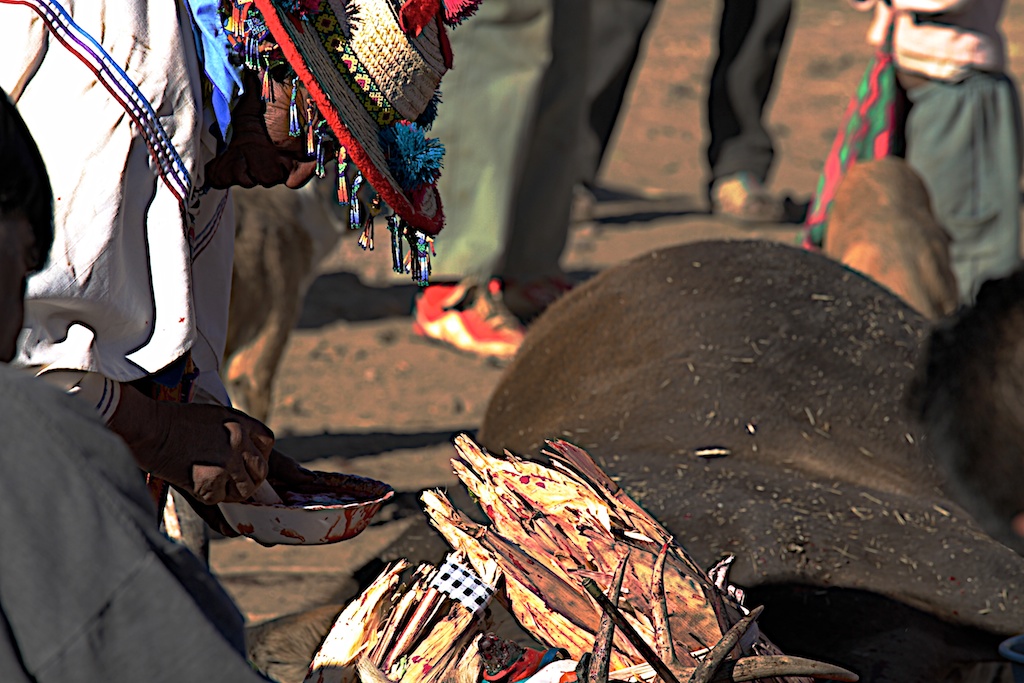
Shamans guide rituals, interpret visions, and are understood to move between physical and spiritual realms, connecting the community with higher spiritual forces.
Their role requires years of learning through practice and is passed on through direct experience rather than formal teaching.
Being a shaman carries responsibility and is considered a demanding role in service of the community.
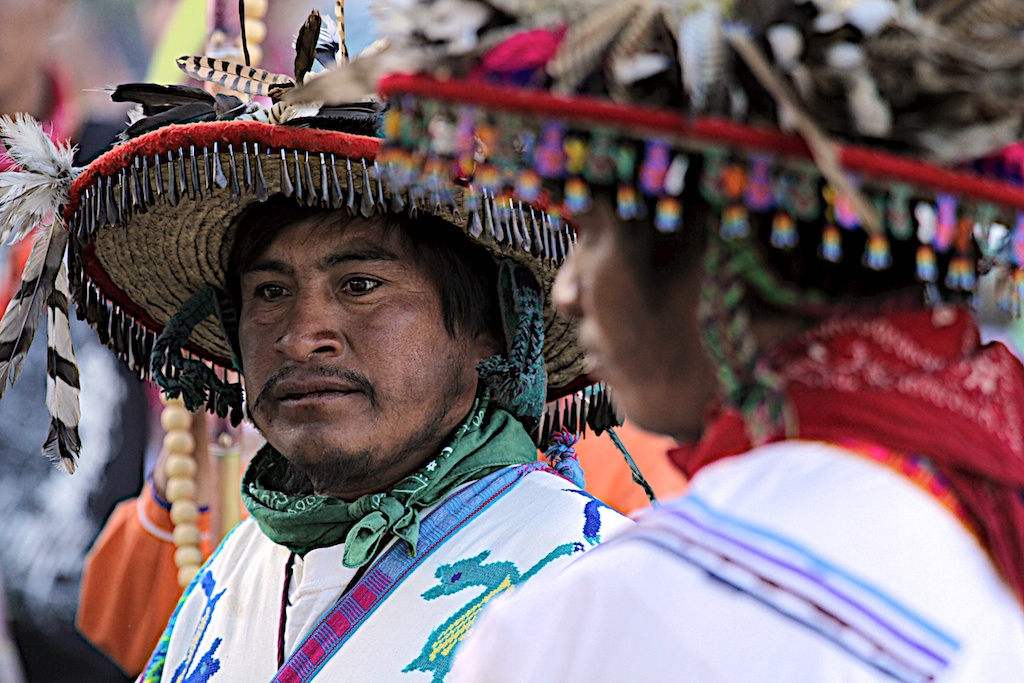
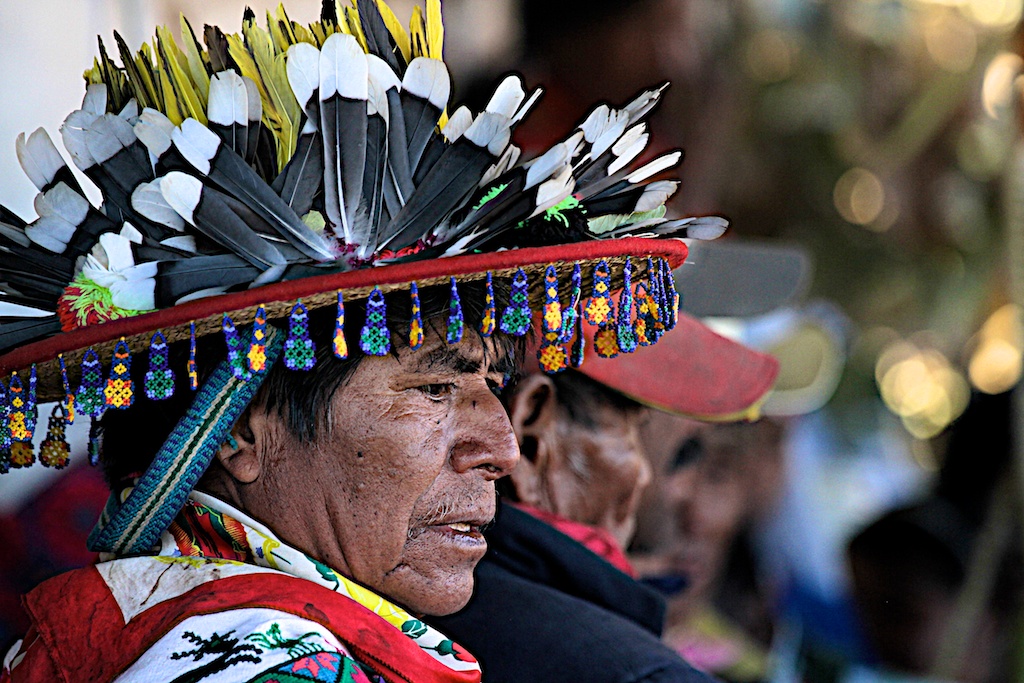
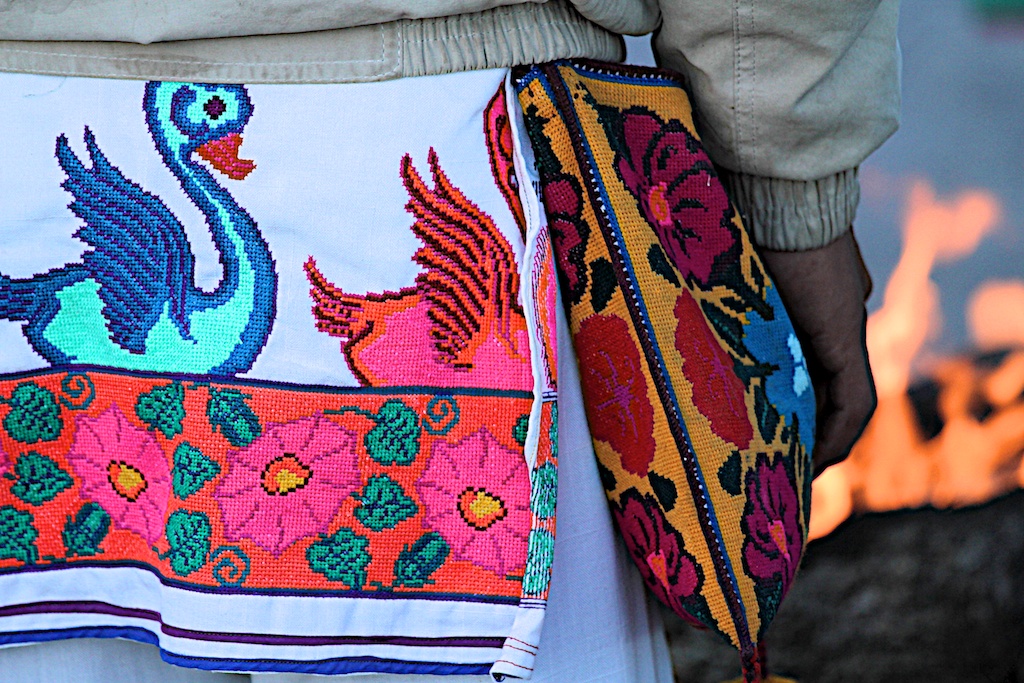
Wixárika visual culture reflects this worldview.
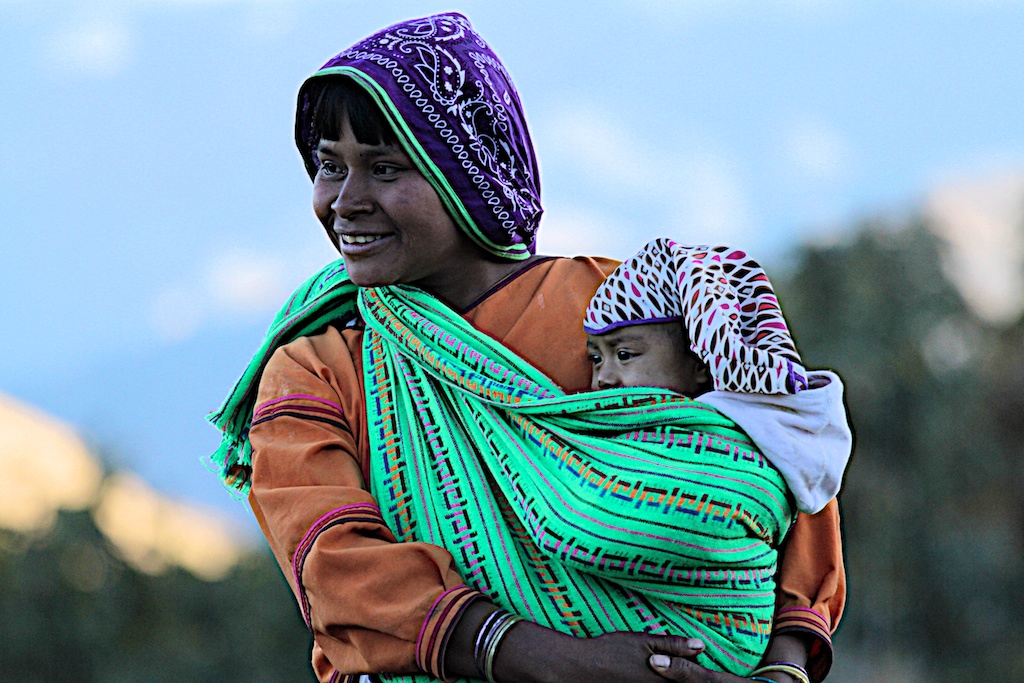
Colors, patterns, and structures in clothing and beadwork are linked to peyote visions and form a system of meaning tied to nature, cosmology, and collective memory.
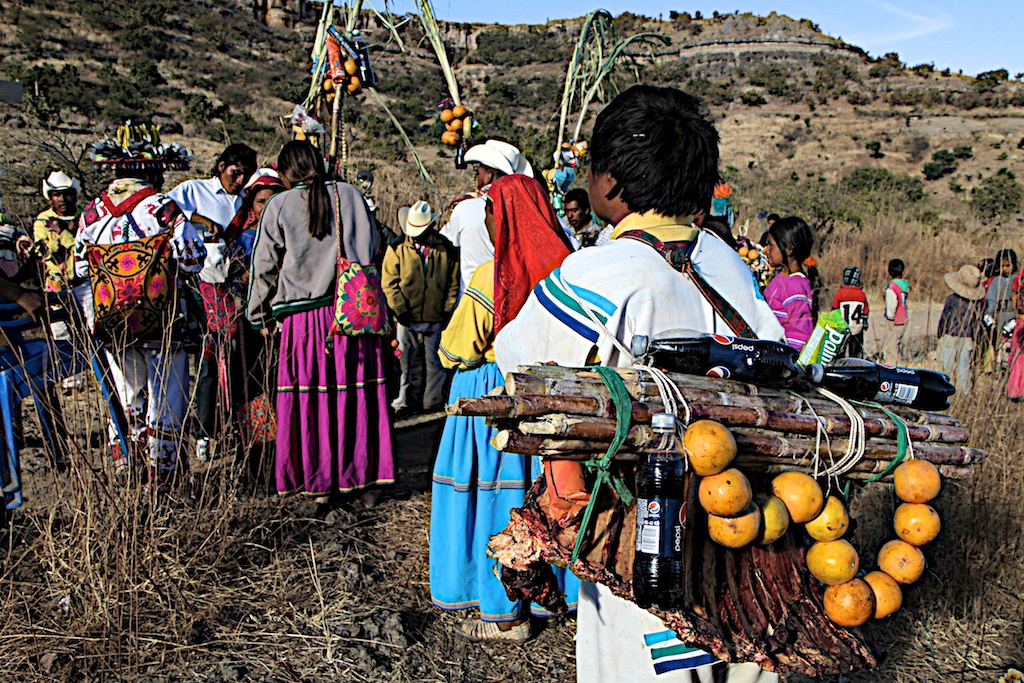
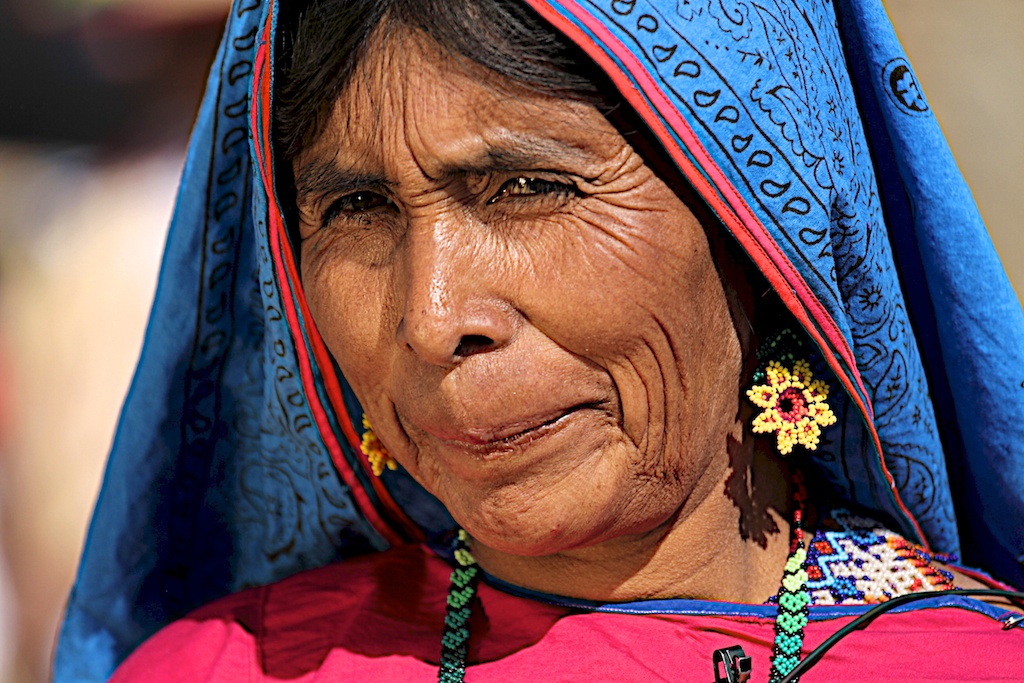
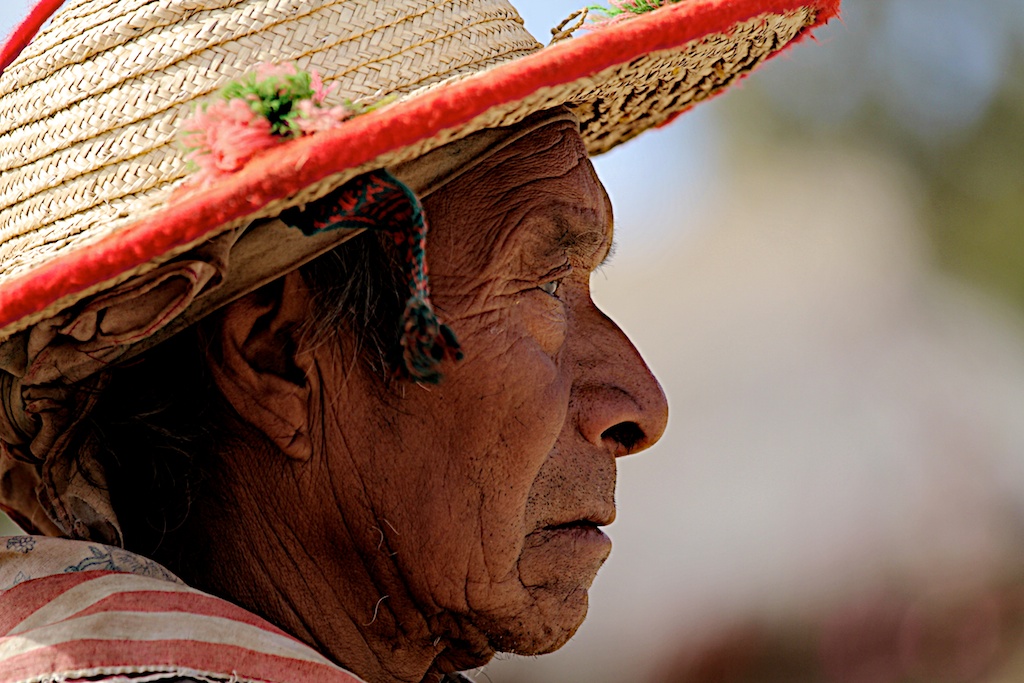
Today, many Wixárika communities live in geographically isolated areas with limited economic opportunities. Despite this, cultural practices and spiritual traditions remain central to daily life.